




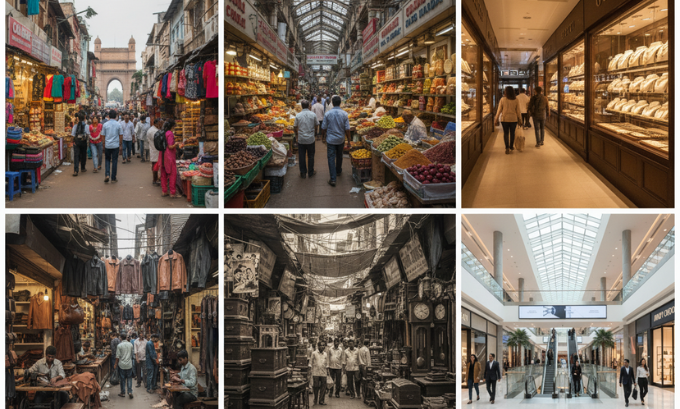
Mumbai’s vibrant shopping scene captures the essence of India’s commercial capital—from bustling street markets where bargaining is an art form to luxury malls housing international brands. Whether you’re hunting for traditional Indian clothing, seeking the perfect spice blend, or looking for unique souvenirs, Mumbai’s diverse shopping markets offer something for every taste and budget.
This comprehensive guide takes you through shopping markets in Mumbai, from the iconic Colaba Causeway to the leather treasures of Dharavi, helping you navigate the city’s retail landscape like a local. Understanding these markets will transform your shopping experience and ensure you discover the best deals while immersing yourself in Mumbai’s rich cultural heritage.
Table of Contents
Understanding Mumbai’s Shopping Culture
Mumbai’s shopping markets reflect the city’s diverse character, blending traditional bazaars with modern retail spaces. The city’s shopping culture revolves around community, bargaining, and seasonal festivals that bring special energy to these commercial hubs.
Street shopping dominates Mumbai’s retail landscape, with vendors setting up along busy roads and dedicated market areas. These markets operate on flexible timing, with most opening by 10 AM and staying active until 9 PM. The best shopping experiences often happen during festivals like Diwali and Navratri when markets extend their hours and offer special discounts.
The art of bargaining is essential in Mumbai’s traditional markets. Start by offering 30-40% of the quoted price and work your way up to a mutually acceptable amount. Building rapport with vendors often leads to better deals and insider tips about the best products. For those interested in broader global perspectives on retail and commerce, mindjournal.co provides insights into international shopping trends and consumer behavior.
Colaba Causeway: The Tourist’s Paradise
Colaba Causeway stands as Mumbai’s most famous shopping destination for tourists and locals alike. This bustling street market stretches from the Gateway of India to the Afghan Church, offering an eclectic mix of merchandise that captures Mumbai’s cosmopolitan spirit.
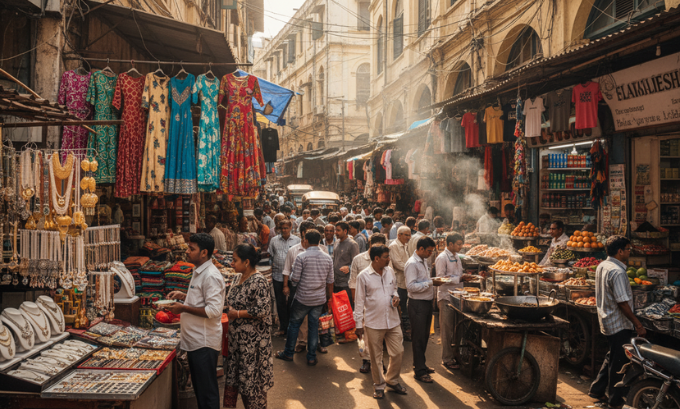
The market specializes in tourist-friendly items including handcrafted jewelry, leather goods, vintage artifacts, and colorful textiles. Street vendors display their wares on both sides of the narrow road, creating a vibrant corridor of commerce that never sleeps.
What sets Colaba Causeway apart is its unique blend of authentic Indian products and international influences. You’ll find everything from traditional block-printed fabrics to contemporary fashion accessories. The market is particularly famous for its antique shops, where collectors can discover rare coins, vintage photographs, and British-era memorabilia.
Shopping here requires patience and good bargaining skills. The initial prices are often inflated for tourists, so expect to negotiate. The best time to visit is late afternoon when the crowd thins out slightly, making navigation easier while still maintaining the market’s energetic atmosphere.
Crawford Market: The Spice and Produce Hub
Crawford Market, officially known as Mahatma Jyotiba Phule Market, serves as Mumbai’s primary wholesale fruit, vegetable, and spice market. This architectural marvel, built in the British era, combines functionality with aesthetic appeal through its Gothic Revival design.
The ground floor houses fresh produce vendors offering everything from exotic fruits to everyday vegetables at wholesale prices. The variety is staggering—you’ll find seasonal mangoes, imported apples, fresh coconuts, and vegetables sourced from across Maharashtra and neighboring states.
The spice section on the upper floors creates a sensory experience unlike any other in Mumbai. Vendors display colorful arrays of whole spices, ground masalas, and specialty ingredients used in Indian cooking. The aroma alone makes this market worth visiting, even if you’re not purchasing anything.
Crawford Market also features sections dedicated to pets, flowers, and household items. The pet section is particularly popular among families looking for birds, fish, and small animals. However, visitors should be aware of animal welfare concerns and choose reputable vendors if making any purchases. For comprehensive insights into various global markets and consumer electronics, techbullion.in offers detailed analysis and reviews.
Zaveri Bazaar: Mumbai’s Jewelry Capital
Zaveri Bazaar represents the heart of Mumbai’s gold and diamond trade, attracting customers from across India and internationally. This centuries-old market specializes exclusively in precious metals and gemstones, making it one of Asia’s largest jewelry trading centers.
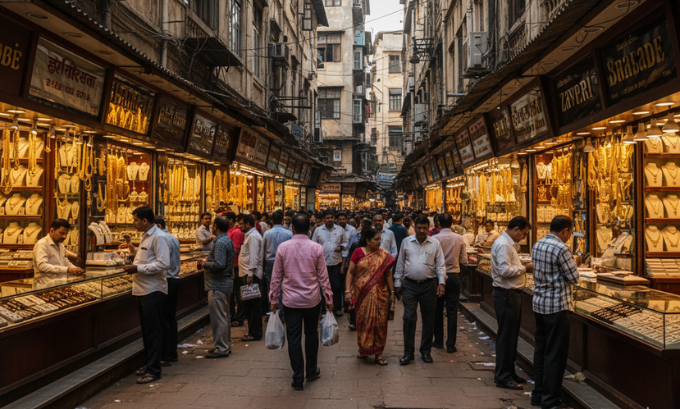
The market operates on trust and tradition, with many shops being family-owned businesses passed down through generations. These establishments offer everything from traditional Indian jewelry designs to contemporary pieces crafted by skilled artisans.
Gold purity and pricing transparency are crucial considerations when shopping in Zaveri Bazaar. Reputable dealers provide proper certification for their products and display current gold rates prominently. The market operates on live gold prices, which fluctuate throughout the day based on international markets.
Beyond gold and diamonds, Zaveri Bazaar offers silver jewelry, precious stones, and costume jewelry at various price points. The market is particularly busy during wedding seasons and festivals when demand for traditional jewelry increases significantly. Visitors should allocate sufficient time for browsing, as the sheer variety of options can be overwhelming.
Dharavi Leather Market: Quality at Unbeatable Prices
Dharavi, despite being known as one of Asia’s largest slums, houses a thriving leather goods market that produces high-quality products for both domestic and international buyers. The leather market operates within the broader Dharavi community, showcasing remarkable entrepreneurship and craftsmanship.
Local artisans create an impressive range of leather goods including bags, wallets, belts, shoes, and jackets. The quality often rivals products found in high-end retail stores, but at significantly lower prices due to reduced overhead costs and direct manufacturer access.
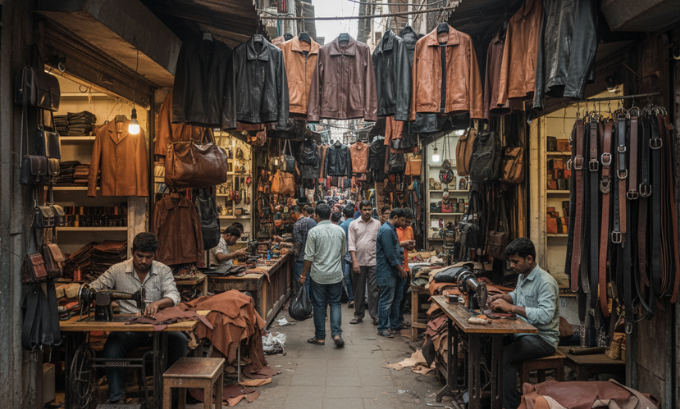
The market operates on a cooperative model where various small-scale manufacturers collaborate to fulfill large orders while maintaining competitive pricing for individual customers. Visitors can often witness the production process, from raw leather treatment to finished product creation.
Safety and navigation require some planning when visiting Dharavi. It’s advisable to visit with a local guide or as part of an organized tour. The narrow lanes can be confusing for first-time visitors, and having someone familiar with the area ensures a more comfortable and productive shopping experience.
Hill Road and Linking Road: Street Shopping Paradise
Hill Road in Bandra and Linking Road in Mumbai represent the city’s most popular street shopping destinations for fashion and accessories. These parallel roads offer affordable clothing options that appeal particularly to young shoppers and fashion enthusiasts.
Hill Road specializes in trendy casual wear, footwear, and accessories. The market caters primarily to college students and young professionals looking for fashionable clothes without the premium prices of branded stores. Street vendors sell everything from trendy tops and jeans to fashionable handbags and jewelry.
Linking Road complements Hill Road by focusing more on women’s fashion, including ethnic wear, western outfits, and party dresses. The market is particularly popular during festival seasons when demand for new clothes increases significantly.
Both markets operate primarily in the evening hours, becoming most active after 5 PM when the weather cools down and working professionals finish their day. The atmosphere becomes festival-like with bright lights, loud music, and enthusiastic bargaining between vendors and customers. For insights into global economic trends that impact local markets, bangalorenews.net provides valuable perspectives on business development and market strategies.
Chor Bazaar: The Antique Treasure Trove
Chor Bazaar, literally translating to “thieves’ market,” earned its name from the eclectic collection of second-hand and antique goods available there. Despite the name, this market operates legitimately and offers some of Mumbai’s most unique shopping experiences.
The market specializes in vintage items, antiques, old coins, stamps, vintage cameras, and Bollywood memorabilia. Collectors and enthusiasts visit regularly to search for rare finds among the vast collections displayed by various vendors.
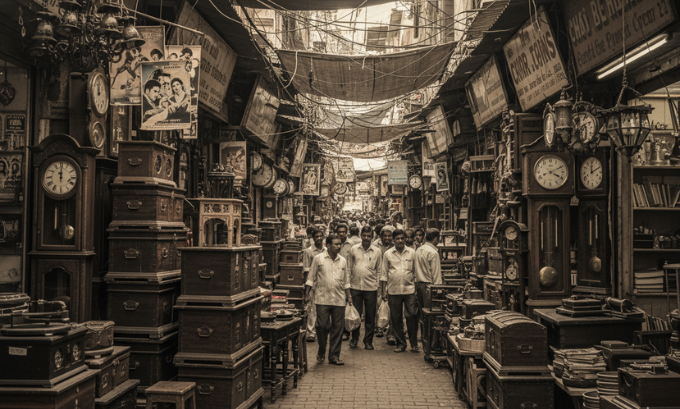
What makes Chor Bazaar special is the stories behind the items. Vendors often know the history of their pieces, whether it’s a vintage camera used by a famous photographer or furniture from a colonial-era mansion. This adds cultural value beyond the monetary worth of the items.
The market operates primarily on Fridays when the largest selection of goods is available. However, casual browsing is possible throughout the week. Serious collectors should visit early in the day when vendors display their best items and are more willing to negotiate prices.
Palladium Mall: Luxury Shopping Destination
Palladium Mall in Lower Parel represents Mumbai’s modern retail landscape, housing international brands and luxury shopping options. This upscale shopping center attracts affluent customers looking for premium products and services in a comfortable, air-conditioned environment.
The mall features flagship stores of international brands including Zara, H&M, Nike, and Apple, alongside Indian luxury brands and designer boutiques. The variety ensures shoppers can find everything from casual wear to formal attire, electronics to home décor.
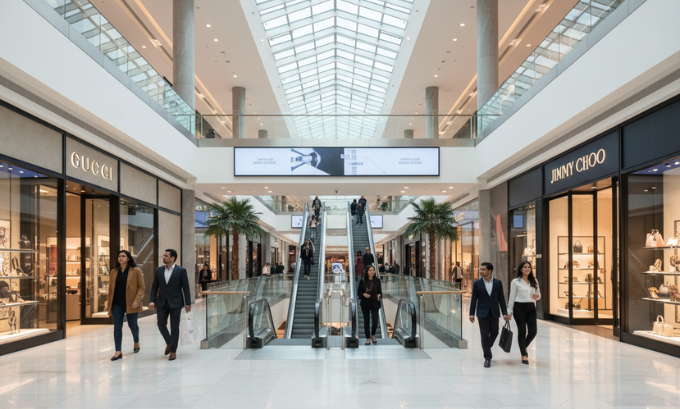
Beyond shopping, Palladium Mall offers dining options ranging from fast food to fine dining restaurants, making it a complete entertainment destination. The mall also hosts seasonal sales and fashion shows, adding to its appeal as a lifestyle destination rather than just a shopping center.
The mall’s location in Lower Parel makes it easily accessible via Mumbai’s local train network and various bus routes. Ample parking space accommodates those who prefer to drive, though public transportation is often more convenient given the area’s traffic conditions.
Traditional Indian Clothing Markets
Mumbai’s traditional clothing markets cater to the city’s diverse population with authentic Indian garments for all occasions. These markets specialize in ethnic wear including sarees, lehengas, salwar kameez, and men’s traditional outfits.
Mangaldas Market stands out as Mumbai’s premier destination for fabrics and traditional clothing. The market offers an incredible variety of fabrics from across India, including Banarasi silk, Kanjeevaram sarees, and Gujarati chaniya cholis. Skilled tailors within the market can create custom outfits based on customer requirements.
Bhuleshwar Market complements Mangaldas by focusing on ready-made ethnic wear and accessories. The market is particularly popular during wedding seasons when families shop for elaborate outfits for various ceremonies. The variety includes everything from simple cotton kurtas to heavily embroidered bridal wear. Understanding global fashion trends helps contextualize Mumbai’s traditional markets, and gogonihon.jp.net offers international perspectives on fashion and consumer preferences.
The pricing in these markets varies significantly based on fabric quality, craftsmanship, and embellishment level. Customers can find basic cotton garments at very reasonable prices while designer pieces with intricate work command premium prices similar to branded stores.
Spices and Dry Fruits Markets
Mumbai’s spice markets offer aromatic experiences that engage all the senses while providing access to India’s incredible variety of spices and dry fruits. These specialized markets cater to both domestic cooking needs and export requirements.
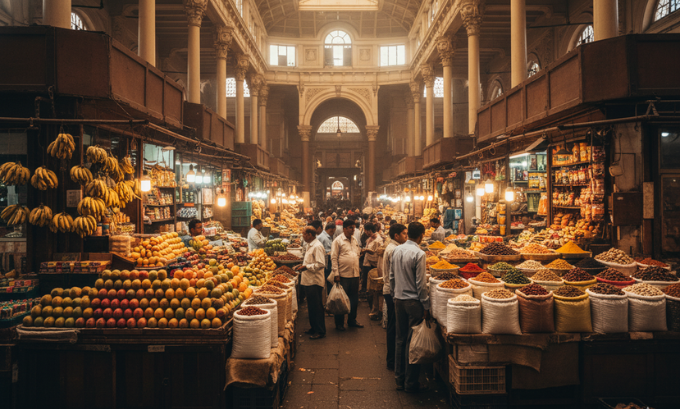
Lalbaug Spice Market operates as a wholesale hub where retailers from across Mumbai source their spice inventory. The market offers competitive prices due to its wholesale nature, making it attractive for bulk purchases. However, most vendors also accommodate smaller quantities for individual customers.
The variety available includes common spices like turmeric, coriander, and cumin alongside exotic options like black cardamom, star anise, and various regional specialties. Quality varies significantly, so experienced buyers often test samples before making large purchases.
Dry fruits section within these markets offers nuts and dried fruits imported from various regions. Kashmir walnuts, California almonds, Iranian dates, and Turkish figs are among the popular options available at competitive prices compared to branded retail outlets. For broader insights into global food trends and supply chains, mindjournal.co provides valuable international perspectives.
Wholesale Shopping Markets
Mumbai’s wholesale markets serve retailers across India while also accommodating individual customers looking for bulk purchases at reduced prices. These markets operate on different dynamics compared to retail markets, focusing on volume sales and business relationships.
The wholesale markets typically open early in the morning, around 6 AM, and conclude business by early afternoon. This timing allows retailers to collect their inventory before opening their own shops. Individual customers can also visit during these hours but should be prepared for a different shopping experience compared to retail markets.
Minimum purchase quantities often apply in wholesale markets, though these requirements can sometimes be negotiated. The savings can be substantial, particularly for items like clothing, accessories, and household goods when purchased in larger quantities.
Building relationships with wholesale vendors can lead to better pricing and access to new products before they reach retail markets. Many successful small retailers in Mumbai built their businesses through strategic partnerships with wholesale market vendors.
Shopping Tips and Best Practices
Successful shopping in Mumbai’s markets requires understanding local customs, timing, and negotiation strategies. These practical tips will enhance your shopping experience while ensuring you get the best value for your money.
Timing Your Visits: Most markets are less crowded during weekday mornings, offering better bargaining opportunities and more personalized attention from vendors. Avoid peak hours between 6 PM and 8 PM when markets become extremely crowded.
Bargaining Strategies: Start negotiations at 30-40% of the quoted price and gradually increase. Show genuine interest in products but maintain the option to walk away. Vendors often reduce prices significantly when they see potential customers leaving.
Quality Assessment: Examine products carefully, especially fabrics, leather goods, and electronics. Check stitching quality, material consistency, and functionality before finalizing purchases. Don’t hesitate to ask vendors about return policies or exchanges.
Payment Methods: Most traditional markets operate on cash transactions, though some larger vendors now accept digital payments. Carry sufficient cash in small denominations to facilitate bargaining and avoid issues with change.
Safety Considerations: Keep valuables secure and avoid displaying large amounts of cash. Travel in groups when possible, especially in crowded markets. Be cautious of pickpockets in busy areas and keep important documents safely stored. For comprehensive travel and safety tips, linkluminous.com provides valuable resources for navigating urban markets safely.
Seasonal Shopping and Festivals
Mumbai’s shopping markets transform during festivals and seasonal celebrations, offering special products, extended hours, and unique cultural experiences. Understanding these patterns helps shoppers plan their visits for maximum variety and cultural immersion.
Diwali Season: Markets stock special items including diyas, rangoli materials, sweets, and festive clothing. Prices may increase due to higher demand, but the variety and quality of products are at their peak during this period.
Wedding Season: Typically occurring between October and March, wedding season sees increased activity in jewelry, clothing, and gift markets. Zaveri Bazaar and traditional clothing markets experience their busiest periods during these months.
Monsoon Shopping: Monsoon season brings challenges for street shopping due to heavy rains, but markets offer special monsoon-related products including umbrellas, raincoats, and waterproof accessories. Indoor markets like malls and covered bazaars become more attractive during this period.
End-of-Season Sales: Many markets offer clearance sales at the end of each season to make room for new inventory. These periods offer excellent opportunities for significant savings on quality products.
FAQ
What are the best timings to visit Mumbai’s shopping markets?
Most street markets operate from 10 AM to 9 PM, with optimal shopping times being weekday mornings (10 AM – 12 PM) for less crowds and better bargaining, or early evenings (5 PM – 7 PM) for the full market atmosphere.
How much should I expect to bargain in Mumbai markets?
Start negotiations at 30-40% of the quoted price and expect to settle around 60-70% of the original price. The final price depends on your bargaining skills, the vendor’s margin, and product demand.
Are credit cards accepted in Mumbai’s traditional markets?
Most street vendors and traditional markets operate on cash only. However, some established shops in markets like Colaba Causeway and larger stores in wholesale markets may accept cards or digital payments.
What should I be careful about when shopping in Mumbai markets?
Watch out for pickpockets in crowded areas, verify product quality before purchasing, ensure proper weight measurements for spices and dry fruits, and be cautious of counterfeit branded items.
Which markets are best for first-time visitors to Mumbai?
Colaba Causeway offers the most tourist-friendly experience with English-speaking vendors and diverse products. Crawford Market provides authentic local experience, while Palladium Mall offers comfortable modern shopping.
How do I identify authentic products in markets like Zaveri Bazaar?
Look for proper hallmarking on gold jewelry, ask for certificates, verify current gold rates, shop from established vendors with good reputations, and don’t hesitate to get second opinions on expensive purchases.
What’s the best way to carry purchases from multiple markets?
Use a sturdy backpack or carry bag, consider purchasing items that can be shipped, start with lighter items and save heavy purchases for last, and utilize local courier services for large quantities.
Your Mumbai Shopping Adventure Awaits
Mumbai’s shopping markets offer an incredible journey through India’s commercial heart, where tradition meets modernity in a vibrant tapestry of commerce and culture. From the bustling streets of Colaba Causeway to the aromatic spice markets and glittering jewelry bazaars, each destination provides unique experiences that go far beyond mere transactions.
These markets represent more than shopping destinations—they’re cultural institutions that preserve Mumbai’s heritage while adapting to contemporary needs. Whether you’re seeking traditional Indian clothing, authentic spices, handcrafted jewelry, or unique souvenirs, Mumbai’s diverse markets ensure every shopping expedition becomes a memorable adventure filled with discoveries, interactions, and insights into the city’s soul.
Start your Mumbai shopping journey today and discover why millions of visitors and locals consider these markets among the world’s most exciting retail destinations.
